

Introduction
Minimalist art has become an influential element in contemporary interior design, offering a refreshing approach to decorating modern living and working spaces. Characterized by simplicity, clean lines, subtle colors, and thoughtful compositions, minimalist art creates visual harmony without overwhelming the surrounding environment. As homeowners and designers increasingly embrace functional and uncluttered interiors, minimalist artwork has gained recognition for its ability to enhance spaces while maintaining a peaceful atmosphere.
The growing popularity of minimalist art reflects a broader shift toward intentional living, where quality, balance, and meaningful design take priority over excessive decoration. From residential apartments to commercial offices, minimalist artwork is helping redefine how people experience and interact with their surroundings.
Understanding Minimalist Art in Modern Design
Minimalist art is an artistic movement that emphasizes simplicity, geometric forms, limited color palettes, and the careful arrangement of visual elements. Emerging prominently during the 1960s, the movement challenged traditional artistic expression by focusing on essential shapes, materials, and spatial relationships.
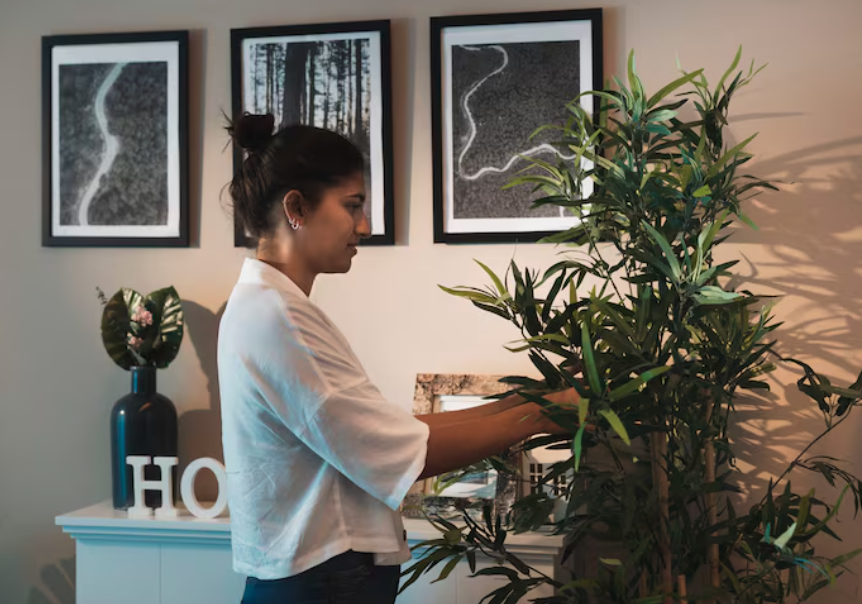
In contemporary interiors, minimalist art often appears through abstract paintings, monochromatic photography, geometric sculptures, and carefully composed wall installations. These artistic elements complement modern architectural features without creating unnecessary visual distractions.
Unlike highly detailed artwork, minimalist pieces encourage viewers to appreciate subtle variations in texture, proportion, and composition. Their understated appearance allows them to blend naturally with different interior styles while maintaining a distinctive artistic presence.
Creating Calm and Balanced Living Environments
One of the main reasons minimalist art has become popular in contemporary interiors is its ability to create a sense of calm and balance.
Modern lifestyles often involve constant exposure to digital information, busy schedules, and visually crowded environments. Minimalist artwork introduces simplicity into interior spaces, creating opportunities for relaxation and reflection.
A large abstract painting featuring soft neutral tones can transform a living room into a welcoming environment. Similarly, a carefully positioned geometric sculpture can establish visual interest without making a room feel crowded.
By reducing unnecessary decorative elements, minimalist art helps maintain a clean and organized appearance. This approach is particularly effective in bedrooms, meditation areas, and home offices where a peaceful atmosphere is desirable.
The Importance of Neutral Colors and Simple Forms
Color plays a significant role in minimalist artistic expression. Neutral shades such as white, beige, gray, black, and earthy tones frequently appear in minimalist compositions.
These colors create visual continuity and allow artwork to complement various furniture materials, architectural finishes, and lighting arrangements.
For example, a black-and-white abstract painting can introduce contrast into a room featuring light wooden furniture and cream-colored walls. Meanwhile, artwork with warm beige and terracotta tones can add softness to contemporary interiors.
Simple geometric forms are equally important. Circles, rectangles, straight lines, and organic shapes provide structure while allowing viewers to interpret the artwork in different ways.
The combination of restrained colors and deliberate forms produces a sophisticated aesthetic that remains appealing across changing design trends.
Minimalist Art as a Statement Feature
Although minimalist artwork is often associated with subtle decoration, it can also serve as a powerful statement feature.
A single oversized painting positioned above a sofa can become the central attraction of a living room. Similarly, a sculptural installation in an entrance hall can establish a memorable visual identity.
The effectiveness of minimalist statement pieces depends on thoughtful placement and proportion. Rather than filling every available wall with decoration, designers often select one or two meaningful artworks that complement the room’s overall composition.
This approach allows each artistic element to receive greater attention and appreciation.
Strategic lighting can further enhance the impact of minimalist artwork by highlighting its textures, shadows, and structural details.
The Relationship Between Minimalist Art and Modern Architecture
Minimalist art shares several principles with contemporary architecture, including simplicity, functionality, and spatial balance.
Modern buildings frequently feature open floor plans, large windows, clean architectural lines, and natural materials. Minimalist artwork complements these characteristics by maintaining visual consistency.
For instance, a geometric canvas can reinforce the straight lines of modern furniture, while an abstract sculpture can introduce a contrasting organic form into a structured environment.
The interaction between artwork and architecture creates a cohesive design experience in which individual elements contribute to a unified aesthetic.
Minimalist art also works effectively in smaller apartments because carefully selected pieces can introduce personality without making limited spaces feel visually congested.
Combining Minimalist Art with Natural Materials
Another emerging trend involves pairing minimalist artwork with natural materials to create warm and inviting interiors.
Wood, stone, linen, ceramics, and textured fabrics provide visual depth that complements the simplicity of minimalist compositions.
For example, a monochromatic painting displayed above a wooden console can create an appealing contrast between artistic restraint and natural texture.
Handcrafted ceramic sculptures can also introduce subtle imperfections and organic forms, bringing warmth to otherwise highly structured interiors.
This combination is especially popular in contemporary Scandinavian-inspired and Japanese-influenced design approaches, where natural materials and simplicity play important roles.
By blending artistic minimalism with tactile surfaces, designers can create interiors that feel sophisticated without appearing cold or impersonal.
The Influence of Minimalist Art in Commercial Spaces
The influence of minimalist art extends beyond residential interiors into offices, hotels, restaurants, and retail environments.
Businesses increasingly recognize the importance of creating visually appealing spaces that support their brand identity and improve the overall visitor experience.
In corporate offices, minimalist artwork can contribute to a professional atmosphere while providing subtle visual interest. Abstract compositions and sculptural pieces are often used in reception areas, meeting rooms, and collaborative workspaces.
Hotels and restaurants may incorporate minimalist installations to establish a distinctive aesthetic without distracting from architectural features or functional elements.
Retail environments also benefit from restrained artistic decoration, allowing products to remain the primary focus while maintaining an elegant setting.
Choosing the Right Minimalist Artwork for Your Space
Selecting minimalist artwork requires attention to scale, color, placement, and personal preference.
Several practical considerations can help homeowners and designers make effective choices:
- Consider room dimensions: Choose artwork that complements the size of the wall and surrounding furniture.
- Maintain color harmony: Select compositions that coordinate with the existing interior palette.
- Experiment with texture: Introduce paintings, sculptures, or mixed-media pieces to create subtle visual variety.
- Focus on meaningful selections: Choose artwork that reflects personal taste rather than following trends exclusively.
- Use appropriate lighting: Position artwork where natural or artificial lighting enhances its appearance.
- Avoid overcrowding: Allow sufficient space around individual pieces to preserve visual balance.
These considerations help ensure that minimalist artwork becomes an integrated part of the interior rather than an unrelated decorative addition.
The Future of Minimalist Art in Interior Design
As interior design continues to evolve, minimalist art is likely to remain an important influence due to its adaptability and timeless visual appeal.
Growing interest in sustainable living and thoughtful consumption may encourage people to invest in fewer, more meaningful decorative objects. Minimalist art aligns naturally with this philosophy by emphasizing quality and intentional selection.
Digital art, sustainable materials, and innovative sculptural techniques are also expanding the possibilities of minimalist expression.
Contemporary artists are experimenting with recycled materials, subtle lighting effects, and interactive installations while maintaining the movement’s emphasis on simplicity.
These developments suggest that minimalist art will continue adapting to changing lifestyles and design preferences.
Conclusion
The growing influence of minimalist art in contemporary interior spaces demonstrates the lasting appeal of simplicity, balance, and thoughtful artistic expression. Through restrained color palettes, geometric forms, and carefully considered placement, minimalist artwork can transform ordinary environments into visually harmonious spaces.
Whether displayed in modern apartments, professional offices, or luxury commercial interiors, minimalist art offers a versatile approach to decoration that emphasizes meaningful design over excessive ornamentation.
As people continue seeking comfortable, functional, and aesthetically pleasing environments, minimalist art will remain a valuable element of contemporary interior design, proving that artistic simplicity can make a powerful and lasting impression.
Read more : Common Legal Considerations When Starting a Small Business