

Introduction
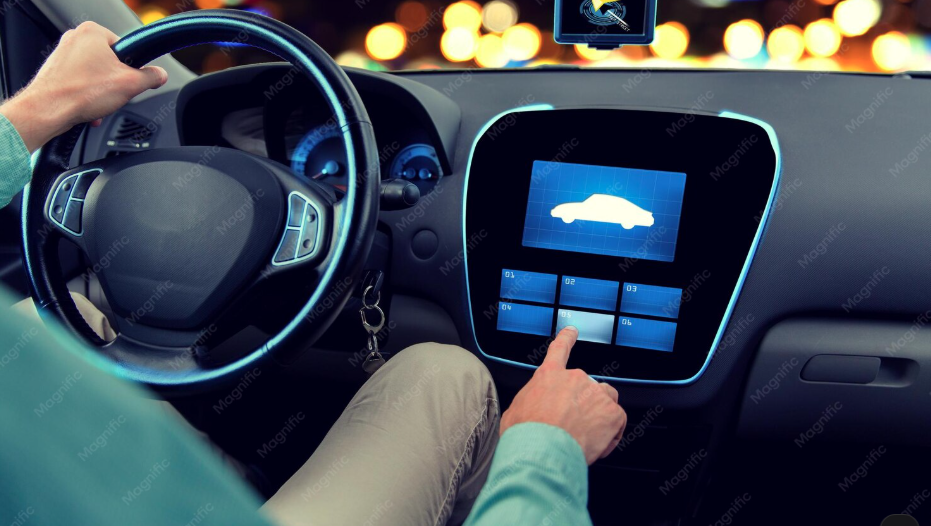
The automotive industry is experiencing a remarkable transformation as smart vehicle technology becomes increasingly integrated into modern cars. Vehicles are no longer simply machines designed for transportation. They are evolving into intelligent systems that improve safety, comfort, efficiency, and convenience.
From advanced driver assistance systems to connected navigation and automated parking features, modern vehicles offer technologies that make everyday driving easier and more enjoyable. These innovations are changing how drivers interact with their cars while creating new possibilities for the future of transportation.
Understanding how smart vehicle technology influences daily driving can help motorists appreciate its benefits and make informed decisions about modern automotive features.
The Evolution of Smart Vehicle Technology
Automotive technology has progressed significantly over the past few decades. Earlier vehicles relied primarily on mechanical components and basic electronic systems. Today, many modern cars incorporate sophisticated sensors, cameras, software, and communication technologies.
Smart vehicles collect and process information about their surroundings, driving conditions, and internal performance. These systems provide real-time feedback and assist drivers with various tasks.
Technologies such as artificial intelligence, machine learning, radar sensors, and connected software platforms are helping manufacturers develop increasingly responsive vehicles.
As these innovations continue evolving, everyday transportation is becoming more connected and technologically advanced.
Advanced Driver Assistance Systems Improve Road Safety
One of the most important contributions of smart vehicle technology is the development of advanced driver assistance systems, commonly known as ADAS.
These systems support drivers by monitoring road conditions and providing warnings or assistance when potential hazards arise.
Common ADAS features include:
- Automatic Emergency Braking: Detects certain collision risks and can apply the brakes when necessary.
- Lane Departure Warning: Alerts drivers when their vehicle unintentionally moves outside its lane.
- Adaptive Cruise Control: Adjusts vehicle speed to maintain a selected following distance.
- Blind Spot Monitoring: Warns drivers about vehicles in areas that may be difficult to see.
- Forward Collision Warning: Identifies potential frontal collisions and provides alerts.
These technologies can reduce certain driving risks and support safer decision-making. However, drivers must remain attentive because assistance systems have operational limitations.
Intelligent Navigation Makes Travel More Convenient
Modern navigation systems have become much more advanced than traditional GPS devices.
Smart navigation platforms can use real-time traffic information to recommend efficient routes, estimate arrival times, and identify potential delays.
Some systems provide information about:
- Traffic congestion and alternative routes
- Road closures and construction areas
- Nearby fuel stations and charging locations
- Parking facilities and available services
- Estimated travel times based on traffic conditions
These features are particularly valuable for daily commuters who frequently encounter changing traffic patterns.
By helping drivers plan journeys more effectively, intelligent navigation systems can reduce unnecessary travel time and improve the overall driving experience.
Connected Cars Enhance Communication and Convenience
Vehicle connectivity has become an essential feature of modern automotive technology.
Connected cars use wireless communication systems to exchange information with smartphones, online services, and, in some cases, transportation infrastructure.
Through smartphone applications, drivers may be able to monitor vehicle status, locate their parked cars, or remotely control selected functions.
For example, some connected vehicles allow owners to:
- Lock or unlock doors remotely
- Check fuel levels or battery charge
- Receive vehicle maintenance notifications
- Adjust climate settings before entering
- Access vehicle location information
These capabilities make vehicle ownership more convenient while providing drivers with greater control over their cars.
Smart Parking Technology Reduces Everyday Challenges
Parking can be one of the most frustrating parts of driving, particularly in crowded urban areas.
Smart parking assistance systems help drivers navigate tight spaces using cameras, ultrasonic sensors, and automated steering technologies.
Some vehicles offer parking guidance through dashboard displays, while more advanced systems can assist with steering into suitable parking spaces.
Surround-view camera systems also provide additional visibility when maneuvering near obstacles.
Although these features do not eliminate the need for driver supervision, they can make parking less stressful and improve confidence in challenging situations.
Artificial Intelligence Is Making Vehicles More Responsive
Artificial intelligence is playing an increasingly important role in automotive innovation.
AI-powered systems can analyze information from vehicle sensors and software to support driving functions, identify patterns, and personalize certain vehicle settings.
For example, intelligent voice assistants allow drivers to control navigation, entertainment, and climate functions through spoken commands.
Some vehicles can also remember preferred seat positions, display settings, and driving preferences.
Predictive maintenance technologies may analyze vehicle performance data to identify potential mechanical issues before they become serious problems.
These capabilities help create a more personalized and responsive driving environment.
Smart Technology Supports Better Fuel Efficiency
Modern vehicle technology is also contributing to improved energy management.
Intelligent engine management systems can adjust performance based on driving conditions, while hybrid vehicles coordinate electric motors and combustion engines to optimize efficiency.
Electric vehicles use sophisticated battery management systems to monitor charging, temperature, and energy consumption.
Some vehicles provide driving efficiency recommendations that encourage smoother acceleration, appropriate braking, and reduced unnecessary energy use.
These systems can help drivers understand their driving habits and make adjustments that support more efficient transportation.
Entertainment and Comfort Are Becoming More Personalized
Smart vehicle technology is transforming the interior driving experience.
Modern infotainment systems integrate navigation, music, communication, and vehicle controls into centralized digital interfaces.
Smartphone connectivity platforms allow drivers to access compatible applications while using vehicle displays and voice commands.
Other comfort-related innovations include:
- Automatic climate control
- Personalized driver profiles
- Wireless smartphone charging
- Digital instrument displays
- Smart ambient lighting
- Advanced audio systems
These technologies make daily journeys more comfortable and convenient for both drivers and passengers.
However, poorly designed interfaces can create distractions, making intuitive controls and responsible use essential.
Challenges Associated With Smart Vehicle Technology
Despite its advantages, smart vehicle technology introduces several challenges.
Cybersecurity is an important concern because connected vehicles rely on software and communication networks. Manufacturers must protect vehicle systems and personal information against unauthorized access.
Maintenance costs can also increase when advanced cameras, sensors, or electronic components require repair or calibration.
Additionally, some drivers may find complex digital interfaces difficult to understand.
Software reliability is another consideration, as connected systems may require regular updates to maintain performance and address security vulnerabilities.
Manufacturers must balance technological innovation with reliability, affordability, and ease of use.
The Future of Intelligent Driving
The future of smart vehicle technology is expected to bring further improvements in automation, connectivity, and energy efficiency.
Developments in vehicle-to-everything communication could allow compatible vehicles to exchange information with road infrastructure and other connected systems.
Artificial intelligence may also improve hazard detection, driving assistance, and vehicle maintenance capabilities.
Meanwhile, advances in electric vehicle technology and intelligent energy management could support more efficient transportation.
Although fully autonomous driving remains a complex technical and regulatory challenge, continued innovation is likely to make assisted driving systems increasingly capable.
Conclusion
Smart vehicle technology is reshaping the everyday driving experience by improving safety, convenience, efficiency, and comfort. Features such as advanced driver assistance, intelligent navigation, connected applications, and automated parking are making modern vehicles more responsive to drivers’ needs.
While challenges involving cybersecurity, maintenance, and system reliability remain, technological development continues to create new opportunities for automotive innovation.
As smart vehicles become more widely available, drivers can expect transportation to become increasingly connected, personalized, and efficient. Ultimately, these innovations demonstrate how modern technology is transforming ordinary journeys into safer, smarter, and more convenient experiences.
Read More : The Future of Sustainable Automotive Design and Eco-Friendly Transportation