

Introduction
Healthy, shiny, and manageable hair is an important part of personal grooming and confidence. However, maintaining beautiful hair requires more than simply washing it regularly or applying expensive hair products. Everyday habits, styling techniques, and product choices can significantly influence hair health and appearance.
Many people unknowingly follow hair care practices that contribute to dryness, breakage, frizz, scalp irritation, and dullness. These problems often develop gradually, making it difficult to identify the underlying causes.
Understanding common hair care mistakes is the first step toward developing a healthier routine. By making small adjustments to daily habits, individuals can protect their hair from unnecessary damage and maintain its natural strength and beauty.
1. Washing Hair Too Frequently
One of the most common hair care mistakes is washing hair more often than necessary.
Shampoo removes dirt, excess oil, sweat, and product buildup from the scalp. However, frequent washing with harsh cleansing products can strip away too much natural oil, leaving hair dry and difficult to manage.
Natural scalp oils help lubricate hair strands and reduce friction.
The ideal washing frequency depends on several factors, including hair texture, scalp oil production, lifestyle, and environmental conditions.
People with oily scalps may need more frequent washing, while those with dry or curly hair may benefit from longer intervals.
Choosing a gentle shampoo and adjusting washing frequency according to individual needs can help maintain a comfortable scalp and healthier-looking hair.
2. Using Excessively Hot Water
Hot showers may feel relaxing, but washing hair with excessively hot water can contribute to dryness and discomfort.
Very hot water may remove more surface oils from the hair and scalp, making already dry hair feel rough or brittle.
It can also aggravate scalp sensitivity in some individuals.
Using lukewarm water during shampooing is generally a gentler option.
A comfortable water temperature allows effective cleansing without unnecessary exposure to excessive heat.
People with dry or chemically treated hair may particularly benefit from avoiding very hot water.
3. Skipping Conditioner After Shampooing
Conditioner plays an important role in improving hair softness, reducing friction, and making strands easier to detangle.
Skipping conditioner can leave hair more vulnerable to tangling, especially after shampooing.
Conditioning products help smooth the hair surface, improve manageability, and reduce the likelihood of mechanical breakage.
For most hair types, applying conditioner mainly to the mid-lengths and ends is effective.
People with very fine hair may prefer lightweight formulas, while those with coarse or curly hair may benefit from richer conditioning products.
Selecting a conditioner that matches individual hair needs is essential for maintaining a balanced hair care routine.
4. Brushing Hair Too Aggressively
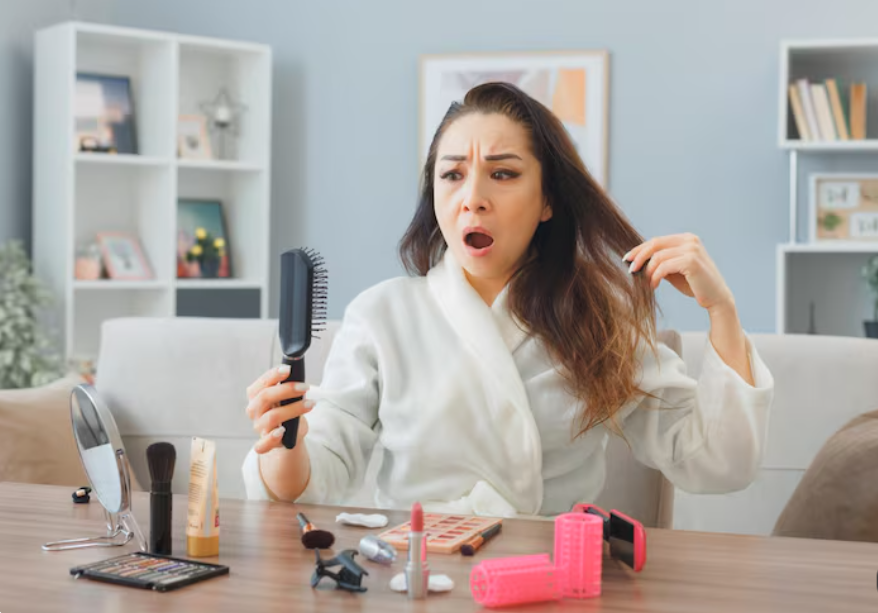
Rough brushing is another common mistake that can damage hair.
Hair strands may break when excessive force is applied during detangling, particularly when they are tangled or weakened by chemical treatments.
Instead of pulling a brush through knots, gently separate tangles using fingers or a suitable detangling tool.
Starting near the ends and gradually working toward the roots can reduce pulling and discomfort.
Wet hair requires particular care because water temporarily changes the physical properties of hair fibers, making them more susceptible to stretching and damage.
Using a wide-tooth comb or a brush designed for wet detangling can help minimize unnecessary breakage.
5. Overusing Heat Styling Tools
Hair dryers, straighteners, curling irons, and heated brushes can create attractive hairstyles, but frequent exposure to high temperatures may weaken hair fibers.
Excessive heat can damage the hair cuticle, increase dryness, and contribute to split ends.
Repeated heat styling may also reduce hair elasticity and make strands more likely to break.
To minimize heat-related damage:
- Use styling tools at the lowest effective temperature.
- Apply an appropriate heat-protection product before styling.
- Avoid repeatedly passing heated tools over the same section.
- Allow hair to air-dry partially when practical.
- Include heat-free styling days in your routine.
These habits can help preserve hair quality while allowing flexibility in personal styling.
6. Applying Too Many Hair Products
Using multiple styling products does not necessarily produce better results.
Excessive application of gels, creams, sprays, serums, and oils can create buildup that makes hair feel heavy, greasy, or difficult to style.
Some products may also irritate sensitive scalps.
A simpler routine based on hair type and specific concerns is often easier to maintain.
For example, a basic routine might include a suitable shampoo, conditioner, and one styling or leave-in product.
Additional treatments should be introduced only when they serve a clear purpose.
Paying attention to how hair responds to different products helps prevent unnecessary buildup and product-related problems.
7. Ignoring Scalp Health
Healthy-looking hair begins with appropriate scalp care.
The scalp contains hair follicles, oil glands, and skin cells that require regular cleansing and protection.
Ignoring persistent itching, flaking, irritation, or excessive oiliness may allow scalp conditions to worsen.
Using products suited to scalp needs and washing regularly enough to remove buildup can help maintain comfort.
People experiencing persistent dandruff, inflammation, or unusual hair shedding should consider consulting a dermatologist.
A balanced scalp care routine supports comfortable conditions for normal hair growth and maintenance.
8. Wearing Tight Hairstyles Regularly
Tight ponytails, braids, buns, and extensions can place continuous tension on the hair shaft and follicles.
Repeated pulling may contribute to hair breakage and, over time, a condition called traction alopecia.
This type of hair loss is associated with prolonged tension on hair follicles.
Choosing looser hairstyles and avoiding excessive pulling can help reduce the risk.
Soft hair ties and protective styling accessories may also minimize friction and mechanical damage.
Changing hairstyles regularly allows different sections of hair to experience less repeated tension.
9. Neglecting Regular Hair Trims
Split ends are a common concern, particularly among people with long hair or frequently styled hair.
When the protective outer layers of the hair shaft become damaged, the ends may split and develop a rough appearance.
Ignoring damaged ends can allow splitting to progress farther along the strand.
Regular trims remove existing split ends and help maintain a neater appearance.
Although trimming does not directly increase hair growth from the scalp, it can reduce the visible effects of breakage and help preserve length.
The ideal trimming frequency depends on hair condition, styling habits, and personal preferences.
10. Using the Wrong Hair Care Products
Not every shampoo, conditioner, or treatment works equally well for every hair type.
Products formulated for extremely dry hair may feel too heavy on fine or oily hair. Similarly, strong cleansing formulas may be unsuitable for people with sensitive scalps.
Understanding hair characteristics is essential when choosing appropriate products.
Important considerations include:
- Hair texture and thickness
- Scalp oil production
- Natural curl pattern
- Chemical treatment history
- Exposure to heat styling
- Sensitivity to specific ingredients
Choosing products according to these characteristics can improve manageability and reduce unnecessary irritation.
11. Sleeping with Wet Hair
Going to bed with wet hair is a habit that may increase tangling and friction-related damage.
Wet strands can become tangled as the head moves against a pillow during sleep.
For people with fragile or chemically treated hair, this may contribute to additional breakage.
Allowing hair to dry before sleeping can reduce these concerns.
Using a smooth pillowcase and avoiding tight overnight hairstyles may also help minimize friction.
If hair is slightly damp, keeping it loosely arranged is generally preferable to securing it tightly.
12. Ignoring Nutrition and Overall Well-Being
Hair condition is influenced not only by external care but also by overall health and nutrition.
Hair follicles require adequate nutrients to support normal growth.
Insufficient protein intake and deficiencies in nutrients such as iron or zinc may contribute to hair-related problems.
Maintaining a balanced diet that includes protein-rich foods, vegetables, fruits, whole grains, and healthy fats supports general health and normal hair growth.
However, supplements are not automatically beneficial for everyone. Excessive intake of certain nutrients can cause adverse effects.
Sudden or significant hair loss should be evaluated by a healthcare professional rather than treated through supplements without identifying the cause.
How to Build a Better Hair Care Routine
Developing healthy hair care habits does not require complicated treatments or expensive products.
A practical routine should focus on consistency, gentle handling, and individual hair needs.
Consider the following habits:
- Wash hair according to scalp oiliness and lifestyle.
- Choose gentle cleansing products suited to your hair type.
- Apply conditioner regularly to reduce tangling.
- Limit excessive heat styling and use heat protection.
- Detangle carefully to minimize breakage.
- Avoid hairstyles that create continuous tension.
- Maintain a balanced diet and adequate hydration.
- Address persistent scalp problems promptly.
- Trim damaged ends when necessary.
- Review your routine when seasonal conditions or hair needs change.
Following these practices can help improve hair manageability and maintain its natural appearance.
Conclusion
Common hair care mistakes can gradually affect hair strength, texture, shine, and overall appearance. Habits such as excessive washing, aggressive brushing, frequent heat styling, and neglecting scalp health may contribute to dryness, breakage, and discomfort.
Fortunately, many of these concerns can be reduced through simple changes in daily routines.
Choosing appropriate products, handling hair gently, maintaining scalp hygiene, and supporting overall health are important steps toward healthier-looking hair.
By understanding individual hair needs and avoiding unnecessary damage, anyone can develop a practical hair care routine that supports long-term strength, manageability, and natural beauty.
Read more : Tina Kay: Model, Actress & Entertainment Icon – Complete 2026