

Introduction
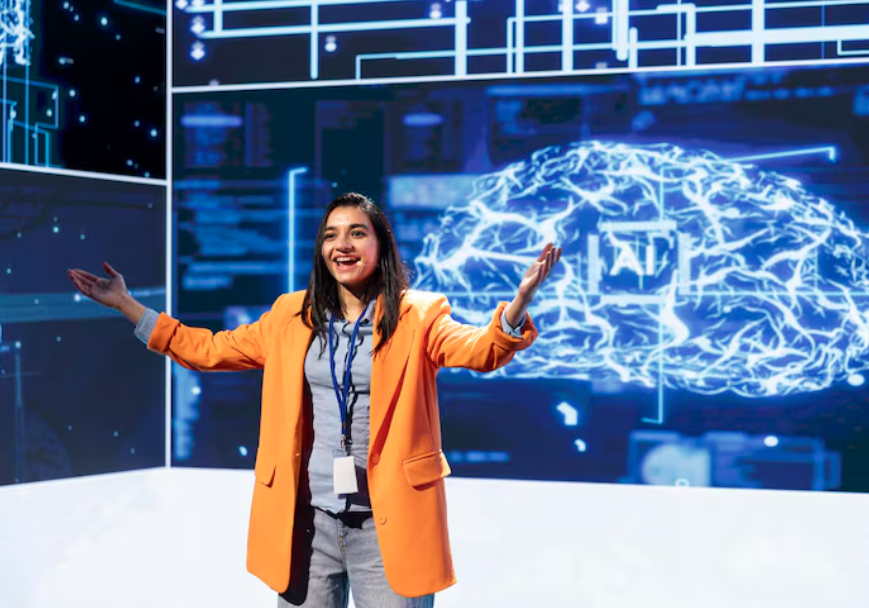
Artificial intelligence has become an increasingly important part of modern digital life. From smartphones and online shopping platforms to entertainment services and workplace applications, AI-powered technologies are changing how people interact with digital systems.
Many everyday activities that once required significant manual effort can now be completed more efficiently through intelligent software. AI systems can analyze information, recognize patterns, provide recommendations, and automate selected tasks.
These capabilities are making digital experiences more personalized, convenient, and responsive to individual needs.
As artificial intelligence continues evolving, understanding its applications, benefits, and challenges is becoming essential for navigating the modern digital world.
Understanding Artificial Intelligence in Everyday Technology
Artificial intelligence refers to computer systems designed to perform tasks commonly associated with human intelligence, including language processing, pattern recognition, prediction, and decision support.
Modern AI applications use technologies such as machine learning, natural language processing, and computer vision.
Machine learning allows systems to identify patterns in data and improve certain predictions through training.
Natural language processing helps software interpret and generate human language.
Computer vision enables systems to analyze images and video.
Together, these technologies support numerous digital services that people use throughout the day.
1. Smart Assistants Are Simplifying Daily Activities
One of the most recognizable applications of artificial intelligence is the digital assistant.
AI-powered assistants can respond to questions, provide information, organize reminders, and help users complete routine tasks.
These tools are available through smartphones, computers, smart speakers, and other connected devices.
Common uses include:
- Setting reminders and alarms.
- Managing appointments.
- Answering everyday questions.
- Providing weather information.
- Creating shopping lists.
- Controlling compatible smart devices.
- Helping organize daily activities.
Voice recognition and natural language technologies make interactions more conversational.
However, users should verify important information because AI assistants can misunderstand requests or produce inaccurate responses.
2. Personalized Recommendations Improve Online Experiences
Artificial intelligence is widely used to personalize digital content.
Online platforms analyze user interactions and other permitted data to recommend products, videos, music, articles, and services.
For example, streaming platforms may suggest movies based on previous viewing activity.
Online shopping websites can recommend related products based on browsing behavior or purchasing preferences.
Personalization provides several benefits:
- Reduces time spent searching.
- Helps users discover relevant content.
- Improves browsing convenience.
- Supports customized digital interfaces.
- Introduces users to products and services they may find useful.
However, recommendation systems can sometimes limit exposure to unfamiliar options.
Providing users with meaningful control over personalization helps create more balanced experiences.
3. AI Is Improving Smartphone Functionality
Smartphones have become powerful examples of artificial intelligence in everyday technology.
Many modern devices use AI-assisted features to improve photography, communication, security, and overall usability.
For example, computational photography can combine information from multiple images to improve exposure, sharpness, and color balance.
Other applications include:
- Predictive text suggestions.
- Voice-to-text transcription.
- Image organization.
- Facial recognition.
- Spam call detection.
- Language translation.
- Battery usage optimization.
These features allow smartphones to perform complex operations while keeping user interactions relatively simple.
4. Smarter Search Engines Make Information Easier to Find
Search technology is evolving beyond traditional keyword matching.
AI-powered systems can interpret the meaning of search queries and identify potentially relevant information.
Some search services provide conversational answers, summaries, and suggestions for related topics.
For example, a user researching home energy efficiency may receive organized explanations about insulation, lighting, and electricity consumption.
AI-assisted search can reduce the effort required to explore unfamiliar subjects.
However, generated summaries may occasionally misinterpret source material or present unsupported claims.
For important decisions, users should consult original sources and verify factual information.
5. Artificial Intelligence Is Transforming Online Shopping
E-commerce platforms increasingly use artificial intelligence to improve customer experiences.
AI systems can support product discovery, customer service, inventory planning, and personalized recommendations.
Virtual shopping assistants may help customers compare products or answer questions about available features.
Other applications include:
- Intelligent product searches.
- Personalized shopping suggestions.
- Automated customer support.
- Product image recognition.
- Demand forecasting.
- Fraud detection.
These technologies can make online shopping more efficient.
However, retailers should ensure that automated recommendations remain transparent and do not mislead customers.
6. AI-Powered Customer Support Is Becoming More Responsive
Customer service is another area experiencing significant AI-driven changes.
Businesses use chatbots and virtual support assistants to answer frequently asked questions and guide customers through common processes.
For example, an automated assistant may help users track an order, review a return policy, or locate account information.
AI-supported customer service can provide faster responses and reduce waiting times for routine inquiries.
More complex situations may still require human representatives.
The most effective customer support systems combine automation with accessible human assistance when needed.
7. Digital Entertainment Is Becoming More Personalized
Artificial intelligence is influencing how people discover and interact with entertainment.
Streaming services use recommendation systems to organize movies, television programs, podcasts, and music.
Video games also incorporate AI techniques to control non-player characters, adapt certain gameplay elements, and support interactive environments.
AI-assisted creative tools can help generate visual effects, organize production workflows, and support editing tasks.
These applications create new opportunities for entertainment producers and consumers.
However, questions involving creative ownership, transparency, and appropriate use of generated content remain important.
8. Artificial Intelligence Is Supporting Workplace Productivity
AI-powered applications are helping employees manage repetitive tasks and organize information.
Common workplace uses include:
- Drafting routine documents.
- Summarizing meeting notes.
- Organizing schedules.
- Analyzing spreadsheets.
- Categorizing customer requests.
- Searching internal knowledge bases.
- Supporting software development.
These tools can reduce time spent on administrative work.
For example, a project manager may use an AI assistant to summarize discussion notes and identify potential action items.
Nevertheless, employees should review automated outputs before relying on them, particularly when accuracy, confidentiality, or professional judgment is important.
9. AI Is Improving Digital Accessibility
Artificial intelligence can make digital services more accessible to people with different abilities and communication needs.
Speech recognition technologies allow users to interact with devices through spoken commands.
Automatic captions can help people follow audio and video content.
Text-to-speech systems convert written information into spoken language.
Other accessibility applications include:
- Image description tools.
- Voice-controlled interfaces.
- Real-time transcription.
- Language translation.
- Reading assistance.
- Intelligent screen navigation.
These technologies can reduce certain barriers to digital participation.
However, accessibility tools must be tested carefully because automated descriptions and transcriptions may contain errors.
10. Smart Home Technology Is Becoming More Intelligent
Connected home devices increasingly incorporate AI-supported features.
Smart thermostats, lighting systems, security cameras, and voice-controlled appliances can respond to schedules and selected user preferences.
For example, an intelligent thermostat may learn temperature preferences and adjust settings according to occupancy patterns.
Smart lighting can operate through scheduled routines, while security systems may distinguish between different types of movement.
These capabilities can improve convenience and support more efficient household management.
However, connected devices also introduce privacy and cybersecurity considerations.
Users should review device permissions and maintain software updates.
11. Artificial Intelligence Is Enhancing Digital Security
AI systems can support cybersecurity by identifying unusual activity and potential threats.
Financial institutions, online platforms, and security providers use machine learning to detect patterns associated with suspicious transactions or unauthorized access.
Examples include:
- Fraud detection.
- Spam filtering.
- Suspicious login alerts.
- Malware identification.
- Unusual transaction monitoring.
- Automated security analysis.
These systems can help organizations respond more quickly to certain threats.
However, AI is not a complete security solution.
Strong authentication, regular software updates, access controls, and responsible user behavior remain essential.
12. AI Is Changing Digital Communication
Artificial intelligence has introduced new ways to communicate across languages and platforms.
Translation tools can convert text or speech between languages, helping users communicate with people from different linguistic backgrounds.
AI-powered writing assistants can suggest improvements to grammar, clarity, and tone.
Video conferencing applications may provide automatic captions and meeting summaries.
These features can make communication more convenient, especially for international teams.
However, automated translation may struggle with cultural expressions, technical terminology, and context.
Important communications should be reviewed for accuracy.
13. The Challenges of AI in Everyday Digital Experiences
Despite its benefits, artificial intelligence introduces several important challenges.
Data Privacy
AI systems may process personal information to provide customized services.
Users should understand what information is collected and how it is handled.
Algorithmic Bias
AI models can produce unfair or inaccurate outcomes when training data or system design contains problematic patterns.
Inaccurate Information
Generative AI tools may produce convincing statements that are factually incorrect.
Cybersecurity Risks
Malicious actors can use AI to create deceptive messages, impersonation attempts, and other security threats.
Excessive Automation
Overreliance on automated systems may reduce opportunities for human judgment and meaningful interaction.
Addressing these concerns requires responsible design, transparency, appropriate oversight, and effective safeguards.
14. How to Use AI-Powered Digital Tools Responsibly
Users can benefit from artificial intelligence while taking practical steps to reduce potential risks.
Helpful habits include:
- Verify important AI-generated information.
- Avoid sharing unnecessary sensitive personal details.
- Review privacy settings on digital platforms.
- Use strong passwords and multifactor authentication.
- Keep applications and devices updated.
- Compare information from reliable sources.
- Maintain human oversight for important decisions.
Responsible AI use involves understanding both the capabilities and limitations of automated systems.
15. The Future of Artificial Intelligence in Digital Life
Artificial intelligence is likely to become increasingly integrated into everyday digital services.
Future applications may offer more personalized interfaces, improved accessibility features, and better coordination between connected devices.
AI-powered assistants could become more capable of helping users organize complex tasks across compatible applications.
Developments in language processing and computer vision may also improve how people interact with technology.
However, future progress will depend on addressing concerns involving reliability, privacy, fairness, and accountability.
The most valuable innovations will be those that provide practical benefits while keeping users informed and in control.
Conclusion
Artificial intelligence is transforming everyday digital experiences by making technology more responsive, personalized, and convenient.
From smartphones and online shopping to workplace productivity, digital entertainment, accessibility, and cybersecurity, AI-powered systems are influencing numerous aspects of modern life.
These innovations can help people complete routine activities more efficiently and discover new ways to interact with digital services.
However, responsible adoption requires careful attention to privacy, accuracy, transparency, and human oversight.
Ultimately, the greatest value of artificial intelligence lies in its ability to support human capabilities and make digital experiences more useful, accessible, and meaningful.
As AI technology continues advancing, understanding its opportunities and limitations will help individuals and organizations benefit from a more intelligent digital future.
Read More : Mercedes Carrera: Age, Bio, Career, Husband & Net Worth