

Introduction
The real estate industry is experiencing significant changes as technology becomes increasingly integrated into residential properties. Modern homebuyers are looking beyond traditional considerations such as location, property size, and architectural design. Features that improve convenience, security, energy efficiency, and everyday comfort are also influencing purchasing decisions.
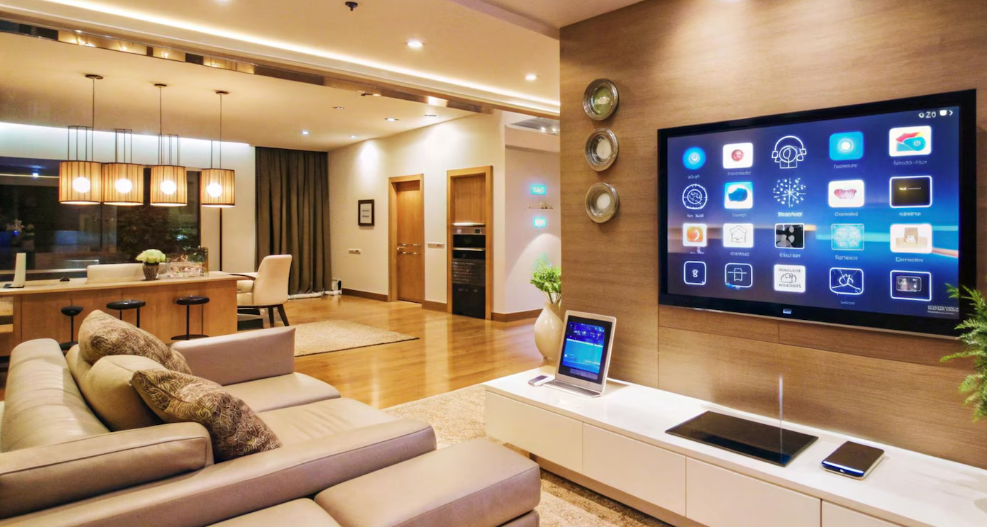
Smart home technology has emerged as an important element of contemporary residential design. From automated lighting and intelligent security systems to connected thermostats and voice-controlled appliances, smart features are changing how homeowners interact with their living spaces.
As digital technology becomes more accessible, property developers, real estate professionals, and homeowners are exploring ways to incorporate connected devices into residential environments.
Understanding how smart home features influence modern real estate markets can help buyers, sellers, and investors recognize emerging opportunities and evaluate the long-term value of technology-enabled properties.
Understanding Smart Home Technology in Real Estate
A smart home is a residential property equipped with connected devices and automated systems that allow occupants to monitor or control various household functions.
These systems may operate through smartphone applications, voice assistants, centralized control panels, or automated schedules.
Common smart home features include:
- Smart lighting systems.
- Connected thermostats.
- Video doorbells.
- Smart security cameras.
- Automated door locks.
- Smart appliances.
- Water leak detection sensors.
- Automated window coverings.
- Energy monitoring devices.
Some systems also allow users to create personalized settings that coordinate multiple devices.
For example, a homeowner may configure lights, temperature controls, and security features to adjust automatically when leaving the property.
These capabilities are introducing new expectations for convenience and functionality in residential real estate.
1. Increasing Buyer Interest in Connected Homes
Smart home technology can make residential properties more appealing to buyers who value convenience and modern living.
Prospective homeowners may appreciate the ability to control lighting, temperature, and security systems remotely.
Younger, technology-oriented buyers may be particularly familiar with connected devices, although preferences vary considerably between individuals and markets.
Smart features can also attract buyers looking for practical improvements rather than purely decorative upgrades.
For example, a home equipped with integrated security cameras and intelligent climate controls may offer additional convenience compared with a similar property without those features.
However, smart technology is rarely the only factor influencing a purchase.
Location, affordability, property condition, and neighborhood characteristics remain central to most real estate decisions.
2. Improving Residential Security and Safety
Security is an important consideration for homeowners and prospective buyers.
Smart security systems introduce monitoring and control options that can complement conventional locks and alarms.
Connected cameras, motion sensors, video doorbells, and automated locks allow residents to monitor certain activities around their properties.
Some systems provide smartphone notifications when movement is detected or a door is opened.
Smart smoke detectors and water leak sensors can also help identify potential household hazards.
For example, a connected water sensor may alert homeowners to moisture near a washing machine or plumbing connection.
Although these devices can improve awareness and response times, they do not eliminate security risks.
Proper installation, reliable connectivity, secure passwords, and regular software updates remain essential.
3. Supporting Energy Efficiency and Lower Utility Costs
Energy efficiency is another important factor influencing interest in smart home technology.
Connected thermostats, automated lighting, and energy monitoring systems can help households manage electricity and heating or cooling consumption.
A smart thermostat may adjust temperatures according to occupancy patterns or programmed schedules.
Similarly, automated lighting systems can switch off lights when rooms are unoccupied.
Energy monitoring tools provide information about household electricity usage, helping residents identify opportunities to reduce unnecessary consumption.
The actual financial savings depend on climate conditions, energy prices, household behavior, and the efficiency of existing equipment.
Nevertheless, energy-management features can contribute to a property’s appeal among environmentally conscious buyers.
4. Enhancing Convenience and Everyday Comfort
Convenience is one of the most recognizable advantages of smart home technology.
Connected devices allow homeowners to automate routine tasks and customize household environments.
For example, residents may use voice commands to adjust lighting, control compatible appliances, or change room temperatures.
Automated window coverings can respond to schedules, while smart lighting can create different settings for work, relaxation, and entertainment.
These features may be particularly useful in larger homes where manually managing multiple systems requires additional effort.
Smart technology can also support people with certain mobility limitations by making household controls easier to access.
However, accessibility benefits depend on thoughtful system design and the availability of suitable alternatives to voice or smartphone controls.
5. Influencing Property Values and Market Competitiveness
Smart home features may influence how properties are positioned within competitive housing markets.
A well-integrated system can make a property appear modern and technologically advanced.
However, the financial impact of smart upgrades is not uniform.
Buyers may value permanent improvements, such as integrated climate controls or automated security infrastructure, differently from portable devices that can easily be removed.
The condition, compatibility, and reliability of installed systems also influence their perceived value.
Real estate professionals should avoid assuming that every smart technology investment produces a corresponding increase in resale price.
Instead, sellers should consider local buyer preferences, comparable property sales, and the practical usefulness of each feature.
6. Smart Home Technology in New Residential Developments
Property developers are increasingly exploring connected systems during the planning and construction stages.
Installing compatible wiring, communication infrastructure, and centralized controls during construction may be more practical than adding them later.
New developments may incorporate smart lighting, access control, energy monitoring, and integrated security systems.
Some residential communities also provide digital visitor management, automated parking access, and shared facility controls.
These features can help developers differentiate properties in competitive markets.
However, successful implementation requires attention to maintenance costs, technical support, device compatibility, and long-term system reliability.
Technology should complement fundamental building quality rather than distract from structural or functional shortcomings.
7. Supporting Aging in Place and Accessible Living
Smart home technology may provide practical benefits for older adults and individuals with certain disabilities.
Voice-controlled lighting, automated door locks, connected sensors, and remote temperature controls can reduce the need for some physical interactions with household equipment.
For example, residents with limited mobility may find it easier to adjust lights or operate compatible window coverings through accessible controls.
Some monitoring systems can also notify designated contacts about selected household events.
These capabilities may help certain homeowners maintain greater independence.
However, smart devices should not replace necessary medical care, emergency assistance, or appropriate accessibility modifications.
Properties designed with inclusive technology and conventional accessibility features may appeal to buyers planning for long-term residential needs.
8. The Role of Smart Features in Rental Properties
Smart home technology is also influencing rental housing.
Landlords and property managers may install connected locks, energy-monitoring systems, and smart thermostats to improve property management.
Digital access systems can simplify certain maintenance and entry procedures when used appropriately.
Energy-efficient features may also make rental homes more attractive to tenants interested in managing utility expenses.
However, landlords must consider privacy, security, maintenance responsibilities, and applicable tenancy laws.
For example, devices that collect information about occupants require careful consideration of consent and data protection.
Rental property owners should prioritize practical improvements that benefit tenants without creating unnecessary monitoring or technical complications.
9. Challenges Associated with Smart Home Integration
Despite their advantages, smart home features introduce several considerations for homeowners and property buyers.
Initial Installation Costs
Advanced systems may require professional installation, compatible equipment, and additional infrastructure.
Maintenance Requirements
Connected devices may require software updates, battery replacements, and occasional repairs.
Compatibility Issues
Products from different manufacturers may not always communicate effectively.
Internet Dependence
Some connected features require reliable internet access, although others support local or manual operation.
Privacy and Cybersecurity Risks
Devices that collect household information can create security concerns when improperly configured.
The National Institute of Standards and Technology has developed cybersecurity guidance addressing security capabilities for consumer Internet of Things devices. nist.gov
Understanding these challenges helps buyers evaluate whether smart features offer practical long-term benefits.
10. How Smart Home Features Influence Property Marketing
Real estate professionals are incorporating smart home features into property descriptions, virtual tours, and promotional materials.
Listings may highlight automated lighting, intelligent climate controls, digital security systems, and connected appliances.
These details can help differentiate properties with similar layouts and locations.
However, accurate representation is essential.
Sellers should clarify which devices are included in a transaction and whether any functions require ongoing subscriptions.
Demonstrating how installed systems operate may help buyers understand their usefulness.
Clear information about compatibility, warranties, and maintenance requirements can also improve buyer confidence.
11. Important Considerations Before Buying a Smart Home
Prospective buyers should carefully evaluate smart home systems before purchasing a property.
Important questions include:
- Which smart devices are included in the property sale?
- Are the systems fully operational?
- Do they require monthly subscription payments?
- Can devices function without internet connectivity?
- Are replacement parts and technical support available?
- Can the previous owner’s accounts and permissions be removed?
- Are the systems compatible with commonly available devices?
- Can essential functions be controlled manually?
- Are software and security updates still supported?
- Does the technology provide practical value for the household?
Buyers should also ensure that device ownership, login credentials, and access permissions are transferred securely.
These checks help prevent unexpected expenses and technical difficulties after purchasing a property.
12. The Future of Smart Homes in Real Estate
The continued development of artificial intelligence, connected devices, and energy-management technologies may further influence residential property design.
Future homes could incorporate more responsive automation that adjusts household settings according to occupancy, environmental conditions, and individual preferences.
Improved communication standards may also make it easier for devices from different manufacturers to work together.
Energy monitoring and automated climate control could become increasingly relevant as households seek practical ways to manage utility consumption.
ENERGY STAR notes that certified smart thermostats are independently evaluated using field data to verify energy savings. ENERGY STAR
Nevertheless, the long-term appeal of smart homes will depend on affordability, reliability, security, and ease of use.
Real estate markets may increasingly favor technology that delivers measurable everyday benefits rather than features designed primarily for novelty.
Conclusion
Smart home features are influencing modern real estate markets by introducing new possibilities for convenience, security, energy efficiency, and residential comfort.
Connected lighting, intelligent thermostats, automated security systems, and smart appliances can make properties more functional and appealing to certain buyers.
These technologies also create opportunities for property developers, landlords, and real estate professionals to differentiate residential offerings.
However, smart home investments should be evaluated carefully because installation expenses, maintenance requirements, cybersecurity risks, and buyer preferences can influence their actual value.
As technology continues evolving, smart home features may become a more familiar component of residential construction and property management.
Ultimately, the growing influence of smart home technology reflects a broader shift toward homes that combine modern convenience with practical functionality, helping shape the expectations of future homeowners and the direction of contemporary real estate markets.
Read more : Tina Kay: Model, Actress & Entertainment Icon – Complete 2026