

Introduction
Fashion trends change constantly, but a timeless wardrobe remains stylish, practical, and relevant throughout the years. Instead of purchasing new clothing every season, building a versatile wardrobe allows individuals to create attractive outfits using carefully selected pieces that complement different occasions and personal preferences.
A timeless wardrobe focuses on quality, comfort, simplicity, and functionality. It emphasizes clothing that can be combined in multiple ways, reducing unnecessary purchases while making everyday dressing easier.
Whether you prefer casual outfits, professional attire, or a combination of both, creating a wardrobe filled with versatile essentials can help you develop a consistent personal style.
Understanding the Concept of a Timeless Wardrobe
A timeless wardrobe consists of clothing that remains wearable regardless of temporary fashion trends.
Rather than focusing on seasonal popularity, timeless fashion emphasizes classic designs, comfortable fits, and practical color combinations.
Common characteristics include:
- Simple and elegant clothing designs.
- Neutral and easily coordinated colors.
- Comfortable and flattering fits.
- Durable fabrics and reliable construction.
- Pieces suitable for multiple occasions.
- Clothing that reflects personal preferences.
The goal is not to eliminate creativity from fashion but to establish a dependable collection of garments that can be styled in different ways.
1. Start by Evaluating Your Existing Wardrobe
Before purchasing new clothing, examine the items you already own.
Remove everything from your wardrobe and organize garments into categories such as shirts, trousers, dresses, outerwear, and accessories.
Identify clothing that you wear frequently and pieces that remain unused.
Ask yourself:
- Does this item fit comfortably?
- Can I combine it with other clothing?
- Is it suitable for my everyday activities?
- Does it reflect my personal style?
- Is it in good condition?
This process helps you understand which items are genuinely useful and where your wardrobe may have gaps.
Clothing that no longer fits your needs can be donated, sold, repaired, or responsibly recycled when appropriate.
2. Choose a Practical and Coordinated Color Palette
A coordinated color palette makes everyday outfit planning significantly easier.
Neutral colors provide a flexible foundation because they can be paired with a wide variety of garments.
Popular neutral shades include:
- Black
- White
- Navy blue
- Beige
- Gray
- Brown
- Cream
For example, navy trousers can work with white shirts, gray sweaters, and beige jackets.
Once you establish a neutral foundation, introduce accent colors that reflect your personality.
Earthy greens, muted blues, burgundy, and soft pastels can add variety without making outfits difficult to coordinate.
A balanced palette helps you create more combinations from fewer clothing pieces.
3. Invest in Essential Everyday Clothing
Every timeless wardrobe benefits from a collection of reliable basics.
These garments form the foundation for different outfits and can be adapted to casual, professional, and social settings.
Classic Shirts and T-Shirts
Plain T-shirts, comfortable button-down shirts, and simple blouses are useful wardrobe essentials.
Choose fabrics and fits that feel comfortable during everyday activities.
Well-Fitting Jeans
A reliable pair of jeans can work with casual T-shirts, sweaters, shirts, and jackets.
Straight-leg and other classic cuts often provide versatility across changing fashion trends.
Tailored Trousers
Neutral trousers can create polished outfits suitable for work, meetings, and formal occasions.
Comfortable Knitwear
Cardigans, sweaters, and lightweight pullovers provide practical layering options.
Versatile Outerwear
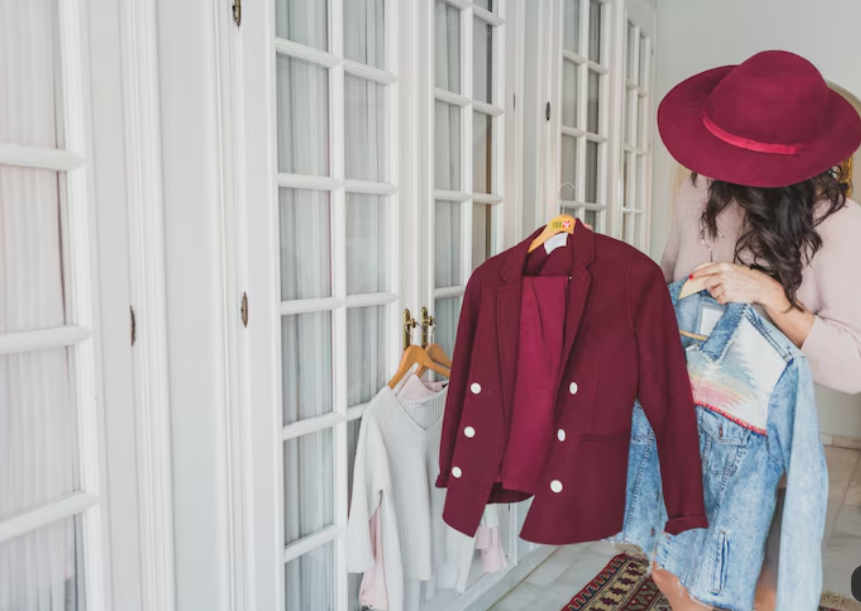
A denim jacket, blazer, trench coat, or simple structured jacket can complement multiple outfits.
Selecting essentials according to your lifestyle ensures that every purchase contributes to a functional wardrobe.
4. Focus on Quality Rather Than Quantity
A timeless wardrobe does not require an excessive number of garments.
Purchasing fewer, well-made pieces can offer better long-term value than repeatedly buying low-quality clothing.
When evaluating garments, consider:
- Fabric strength and comfort.
- Stitching and seam construction.
- Durability of buttons and zippers.
- Ease of cleaning and maintenance.
- Resistance to excessive fading.
- Overall fit and construction.
Natural fabrics such as cotton, linen, and wool can be suitable choices depending on the climate and intended use. However, fabric quality and construction matter more than fiber type alone.
The objective is to choose clothing that remains comfortable and wearable through repeated use.
5. Prioritize Proper Fit and Comfort
Even beautifully designed clothing may remain unused if it does not fit properly.
A timeless wardrobe should accommodate your body shape, daily activities, and personal comfort preferences.
Pay attention to shoulder placement, sleeve length, waist fit, and overall proportions.
Clothing alterations can also improve the appearance of existing garments.
For example, adjusting trouser length or refining the fit of a jacket may make a significant difference.
Comfort is equally important because versatile clothing should support movement and remain practical throughout the day.
6. Learn the Art of Mixing and Matching
One of the biggest advantages of versatile clothing is the ability to create multiple outfits from a relatively small collection.
For example, a classic white shirt can be styled with:
- Jeans for a relaxed weekend outfit.
- Tailored trousers for professional settings.
- A blazer for business-casual occasions.
- A lightweight sweater for cooler weather.
- Neutral shorts for comfortable summer dressing.
Similarly, a simple black dress or coordinated shirt-and-trouser combination can be adapted through different accessories and outerwear.
Experimenting with combinations helps you identify new styling possibilities without making additional purchases.
7. Use Layering to Create Different Looks
Layering increases wardrobe versatility by allowing the same garments to work across different temperatures and occasions.
A basic T-shirt can be worn independently during warmer weather or combined with a cardigan, jacket, or sweater when temperatures decrease.
Effective layering involves balancing colors, textures, and proportions.
For example, pairing a lightweight shirt with a structured blazer creates a polished appearance, while adding a relaxed cardigan produces a more casual style.
Choose layers that work comfortably together without restricting movement.
8. Select Versatile Footwear and Accessories
Shoes and accessories play an important role in completing everyday outfits.
A practical footwear collection may include:
- Comfortable neutral sneakers.
- Classic loafers or flats.
- Simple formal shoes.
- Weather-appropriate boots.
- Casual sandals for warmer climates.
The ideal selection depends on individual lifestyle requirements.
Accessories such as belts, watches, scarves, and understated jewelry can also transform simple outfits.
A classic watch or structured bag may make casual clothing appear more polished.
Choosing accessories that coordinate with several outfits improves their usefulness.
9. Build a Wardrobe Around Your Lifestyle
A timeless wardrobe should reflect how you actually spend your time.
Someone working in a formal office may require more tailored clothing, while a person working remotely may prioritize comfortable everyday essentials.
Consider how frequently you need outfits for:
- Professional activities.
- Casual daily routines.
- Social gatherings.
- Outdoor activities.
- Formal events.
- Seasonal travel.
Your wardrobe should contain appropriate proportions of clothing for these situations.
This personalized approach prevents unnecessary purchases and ensures that your wardrobe remains practical.
10. Adopt Mindful and Sustainable Shopping Habits
Creating a timeless wardrobe naturally encourages more thoughtful purchasing decisions.
Instead of buying clothing impulsively, evaluate whether a new item complements your existing collection.
Before purchasing, ask yourself:
- Can I style this garment with at least three items I already own?
- Will I wear it regularly?
- Does it fit comfortably?
- Is the quality appropriate for its price?
- Does it match my personal style?
Buying secondhand clothing, repairing existing garments, and choosing durable pieces can also reduce unnecessary textile waste.
Mindful shopping helps maintain a wardrobe that remains useful without becoming overcrowded.
11. Maintain Your Clothes for Long-Term Use
Proper clothing care is essential for preserving a timeless wardrobe.
Different fabrics require different washing, drying, and storage methods.
Follow garment care instructions and avoid unnecessarily harsh cleaning practices.
Helpful maintenance habits include:
- Washing clothes according to fabric requirements.
- Repairing loose buttons and minor tears.
- Storing seasonal clothing properly.
- Folding delicate knitwear when appropriate.
- Keeping footwear clean and maintained.
- Avoiding excessive heat during drying.
Regular maintenance helps preserve garment appearance and can extend clothing lifespan.
12. Add Personal Style Without Following Every Trend
A timeless wardrobe should never feel restrictive or lacking in personality.
Classic essentials provide a foundation, but individual style makes outfits distinctive.
You can express your preferences through colors, patterns, accessories, textures, and carefully selected statement pieces.
For example, a neutral outfit can become more interesting with a patterned scarf, colorful jacket, or distinctive footwear.
Fashion trends can still provide inspiration, but purchases should align with your long-term preferences.
The best wardrobe is one that feels authentic to the person wearing it.
Common Mistakes to Avoid When Building a Timeless Wardrobe
Several mistakes can make wardrobe planning unnecessarily difficult.
Buying Too Many Basics: Purchasing numerous similar garments may create clutter without adding useful outfit combinations.
Ignoring Personal Preferences: Classic clothing should still reflect your personality and comfort.
Choosing Appearance Over Fit: Clothing that looks attractive but feels uncomfortable may rarely be worn.
Following Every Trend: Frequent trend-based purchases can reduce wardrobe consistency.
Neglecting Maintenance: Poor clothing care can shorten the lifespan of otherwise durable garments.
Avoiding these habits helps maintain a practical and organized clothing collection.
Conclusion
Creating a timeless wardrobe with versatile everyday clothing is about making thoughtful fashion choices that combine comfort, quality, practicality, and personal expression.
By selecting coordinated colors, investing in reliable essentials, prioritizing proper fit, and learning to mix and match garments, individuals can create numerous stylish outfits without needing an excessive clothing collection.
Mindful shopping and proper maintenance further improve wardrobe longevity while encouraging more sustainable fashion habits.
Ultimately, a timeless wardrobe is not defined by the number of clothes you own but by how effectively each piece supports your lifestyle and personal style.
With careful planning and consistent choices, you can build a versatile wardrobe that remains comfortable, functional, and stylish for years to come.
Read More : Mal Malloy: Age, Height, Net Worth, Boyfriend & Bio (2026)
[…] Read More : How to Create a Timeless Wardrobe with Versatile Everyday Clothing […]