

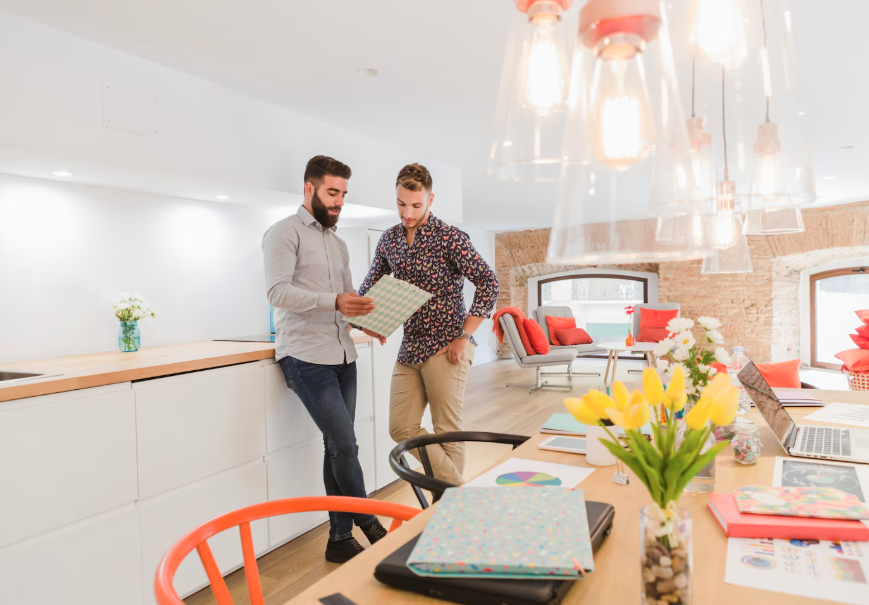
Introduction
Living in a small home or apartment does not mean sacrificing comfort, functionality, or personal style. With thoughtful planning and creative interior design ideas, even the most compact spaces can become attractive, organized, and welcoming environments.
Small living spaces present unique challenges, including limited storage, restricted floor space, and difficulty arranging furniture. However, these limitations can also encourage innovative design solutions that make every corner more useful.
From multifunctional furniture and clever lighting to vertical storage and coordinated color schemes, practical interior design techniques can help create the appearance of a larger and more comfortable home.
Understanding the Challenges of Small Living Spaces
Before redesigning a compact room, it is important to understand how the available space is currently being used.
Small homes often require individual areas to serve multiple purposes. A living room may also function as a workspace, while a bedroom might need additional storage.
Common challenges include:
- Limited floor space for furniture.
- Insufficient storage for everyday belongings.
- Difficulty maintaining an organized appearance.
- Limited natural light.
- Overcrowded furniture arrangements.
- Lack of clearly defined functional areas.
Recognizing these challenges helps homeowners choose design solutions that improve comfort without unnecessary renovations.
1. Choose Multifunctional Furniture
Multifunctional furniture is one of the most effective ways to maximize limited living space.
Instead of filling a room with several separate pieces, select furniture that performs multiple functions.
Popular examples include:
- Sofa Beds: Provide comfortable seating during the day and sleeping space when needed.
- Storage Ottomans: Offer seating, footrests, and hidden storage.
- Extendable Dining Tables: Accommodate everyday meals and occasional guests.
- Foldable Desks: Create workspaces that can be stored when not in use.
- Beds With Drawers: Provide additional storage without requiring separate cabinets.
These furniture choices help maintain functionality while reducing unnecessary clutter.
When selecting multifunctional pieces, prioritize durability, comfort, and ease of use.
2. Make the Most of Vertical Space
Many small rooms have unused wall space that can provide valuable storage opportunities.
Vertical storage solutions allow homeowners to organize belongings without occupying additional floor space.
Consider installing:
- Floating wall shelves.
- Tall bookcases.
- Wall-mounted cabinets.
- Hanging organizers.
- Vertical kitchen racks.
- Hooks for bags and accessories.
For example, a narrow bookcase can provide considerable storage while occupying relatively little floor area.
Wall-mounted shelves can also display decorative objects, plants, and books.
Heavy storage units should be properly secured to prevent tipping, especially in homes with children or pets.
3. Use Light Colors to Create an Open Atmosphere
Color selection influences how spacious and comfortable a room appears.
Light shades reflect more available light and can create a brighter visual atmosphere.
Popular choices include:
- Soft white.
- Warm beige.
- Light gray.
- Cream.
- Pale blue.
- Muted pastel green.
Using similar colors across walls, furniture, and larger decorative elements can create visual continuity.
However, small spaces do not need to be entirely neutral.
Accent colors introduced through cushions, artwork, curtains, or decorative accessories can add personality without overwhelming the room.
4. Improve Natural and Artificial Lighting
Lighting plays an essential role in making compact interiors feel welcoming.
Rooms with limited light may appear smaller or more enclosed.
To improve brightness, avoid unnecessarily blocking windows with bulky furniture or heavy curtains.
Lightweight curtains and adjustable window coverings can help maintain privacy while allowing daylight to enter.
Artificial lighting should also be planned carefully.
Different lighting types include:
Ambient Lighting
Provides general illumination throughout the room.
Task Lighting
Supports specific activities such as reading, cooking, or working.
Accent Lighting
Highlights artwork, shelves, architectural details, or decorative features.
Combining these lighting methods can improve functionality and create a more balanced atmosphere.
5. Incorporate Mirrors Strategically
Mirrors are popular interior design elements because they reflect light and surrounding objects.
A well-positioned mirror can make a compact room feel brighter and visually more open.
Consider placing mirrors near windows or opposite attractive design features.
Large wall mirrors can create a sense of depth, while smaller decorative mirrors add character.
However, excessive mirror use may make an interior feel visually busy.
Choose placements that complement the room’s layout and lighting conditions.
6. Create Defined Functional Zones
In small apartments, several activities may take place within one room.
Creating distinct zones helps organize these functions without requiring permanent walls.
For example, a living room might include separate areas for relaxing, dining, and working.
Furniture placement can establish boundaries naturally.
A rug may define a seating area, while a narrow bookshelf can separate a workspace from the rest of the room.
Other useful zoning methods include:
- Different lighting arrangements.
- Coordinated area rugs.
- Open shelving units.
- Folding room dividers.
- Subtle changes in wall colors.
The goal is to create organization while maintaining an open and connected environment.
7. Reduce Clutter Through Smart Organization
Clutter can quickly make a small room feel crowded.
An organized interior creates more usable space and improves everyday convenience.
Begin by reviewing items that are rarely used.
Donate, sell, recycle, or store belongings according to their condition and practical value.
Useful organization solutions include:
- Drawer dividers.
- Under-bed storage containers.
- Decorative baskets.
- Stackable storage boxes.
- Cabinet organizers.
- Entryway hooks.
Assigning specific places to frequently used items can make maintaining organization easier.
Regular decluttering also prevents unnecessary belongings from accumulating.
8. Select Furniture That Matches the Room’s Proportions
Furniture size has a significant impact on the appearance and functionality of compact spaces.
Oversized sofas, bulky tables, and large cabinets may restrict movement and make a room feel crowded.
Before purchasing furniture, measure the available space carefully.
Consider the dimensions of doorways, walking paths, and surrounding furniture.
Slim-profile chairs, compact sofas, and narrow tables may work particularly well in smaller interiors.
Furniture with visible legs can also create a lighter visual appearance by allowing more floor space to remain visible.
The objective is to maintain a comfortable balance between furniture and open space.
9. Introduce Indoor Plants for Natural Beauty
Indoor plants can make small living spaces feel refreshing and inviting.
Greenery adds natural color and texture while complementing various interior design styles.
Suitable options may include:
- Pothos.
- Snake plants.
- Spider plants.
- Small succulents.
- Compact ferns.
Plants can be displayed on shelves, window ledges, or hanging planters.
Choose varieties according to available light, watering requirements, and maintenance preferences.
Households with pets should also verify that selected plants are safe for animals.
A few carefully positioned plants can create an attractive natural atmosphere without occupying excessive space.
10. Use Decorative Accessories Thoughtfully
Small rooms benefit from decorations that add personality without creating visual clutter.
Rather than displaying numerous small objects, consider selecting a few meaningful statement pieces.
Examples include:
- Framed artwork.
- Decorative cushions.
- Textured blankets.
- Simple ceramic accessories.
- Wall-mounted photographs.
- Compact decorative lighting.
A large artwork can sometimes create a stronger visual impact than multiple smaller decorations.
Coordinating accessories with the overall color palette helps maintain a balanced appearance.
Personal items should reflect individual preferences while supporting the room’s functionality.
11. Maximize Storage in Small Bedrooms
Bedrooms often require creative storage solutions because beds and wardrobes occupy considerable floor space.
Beds with built-in drawers can store seasonal clothing, extra bedding, and other belongings.
Wall-mounted bedside shelves may replace traditional bedside tables.
Sliding wardrobe doors can also be useful where opening standard doors would restrict movement.
Additional ideas include:
- Hanging wardrobe organizers.
- Storage boxes beneath beds.
- Hooks behind doors.
- Compact dressing tables.
- Wall-mounted reading lights.
These solutions help maintain a comfortable sleeping environment while improving organization.
12. Transform Compact Kitchens with Practical Design
Small kitchens can become highly functional through efficient storage and thoughtful organization.
Wall-mounted racks can hold frequently used utensils, while cabinet organizers help maximize shelf space.
Magnetic knife holders and compact spice racks may free up valuable countertop areas.
Consider using:
- Stackable food containers.
- Pull-out cabinet organizers.
- Foldable preparation surfaces.
- Hanging utensil rails.
- Narrow storage carts.
- Adjustable shelving.
Keep frequently used cooking tools accessible and store occasional-use items in less prominent areas.
An organized kitchen can improve cooking efficiency even when space is limited.
13. Make Small Bathrooms Feel More Spacious
Bathrooms can also benefit from creative storage and design solutions.
Wall-mounted cabinets and shelves provide storage without occupying valuable floor space.
Light-colored tiles, effective lighting, and mirrors can contribute to a brighter atmosphere.
Other practical improvements include:
- Over-toilet shelving.
- Corner storage units.
- Shower organizers.
- Compact vanity cabinets.
- Wall-mounted towel holders.
Keeping countertops clear can make even a small bathroom feel more organized and comfortable.
14. Explore Minimalist Interior Design Principles
Minimalist interior design emphasizes simplicity, functionality, and thoughtful decoration.
This approach can be particularly useful in compact homes because it encourages intentional furniture selection.
Rather than filling every available area, minimalist design allows certain spaces to remain open.
A minimalist room may feature neutral colors, simple furniture, and a limited collection of decorative accessories.
However, minimalism does not require eliminating personal belongings or creating an empty environment.
The goal is to maintain a comfortable balance between useful objects and visual simplicity.
Common Interior Design Mistakes to Avoid
When decorating small living spaces, certain mistakes can reduce functionality.
Using Oversized Furniture: Large furniture can restrict movement and overwhelm the room.
Ignoring Vertical Storage: Unused wall space represents missed storage opportunities.
Overdecorating: Too many accessories can create visual clutter.
Poor Lighting: Inadequate lighting can make rooms feel darker and more enclosed.
Blocking Walking Paths: Furniture arrangements should allow comfortable movement.
Choosing Style Over Practicality: Attractive furniture should also support everyday needs.
Avoiding these mistakes helps create interiors that remain both beautiful and functional.
The Benefits of Thoughtful Small-Space Design
Creative interior design can improve more than the appearance of a small home.
A well-organized living environment supports daily convenience, reduces unnecessary clutter, and makes household activities easier to manage.
Multifunctional furniture and practical storage solutions can also reduce the need for additional furnishings.
Thoughtful lighting, comfortable furniture, and personalized decorations contribute to an inviting atmosphere.
By making the most of available space, homeowners can create interiors that reflect their lifestyles without requiring large properties or expensive renovations.
Conclusion
Transforming small living spaces with creative interior design ideas requires thoughtful planning, practical furniture choices, and effective organization.
Multifunctional furniture, vertical storage, coordinated colors, strategic lighting, and carefully selected decorations can make compact rooms feel more spacious and welcoming.
The most successful small-space designs balance visual appeal with everyday functionality.
Ultimately, a beautiful home is not defined by its size but by how effectively its space is used.
With creativity, attention to detail, and practical design choices, even the smallest living areas can become comfortable, stylish, and highly functional environments.
Read More : How to Create a Safe and Comfortable Indoor Environment for Your Pets